East Asian cuisine
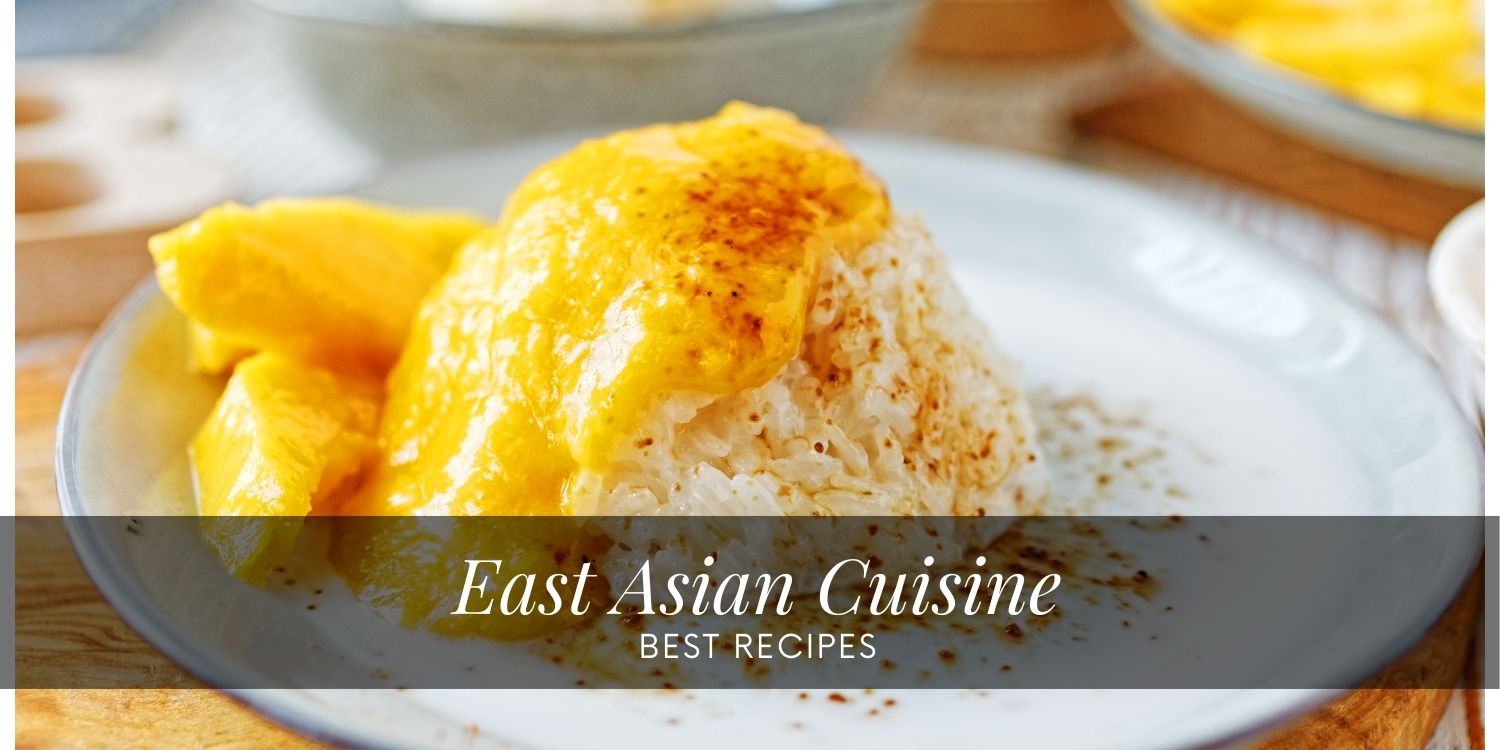
Far Eastern Cuisine: Chinese, Thai, and Japanese Cooking
Far Eastern cuisine offers a wide palette of flavors and aromas, encompassing the culinary traditions of China, Japan, Korea, Thailand, and other Asian countries. Key ingredients in Far Eastern cooking include rice, noodles, vegetables, tofu, fish, meat, seaweed, sauces, and spices.
Rice and noodles are staples in Far Eastern cuisine, forming the base of many dishes. In Asia, rice is often served with meat, fish, vegetables, and sauces, while in Japan, noodles are the foundation of dishes such as ramen and soba.
Vegetables like cabbage, carrots, onions, ginger, and spinach are commonly used. They are often steamed or stir-fried and served as accompaniments to meat or rice.
Tofu, popular in Japanese cuisine, is made from soybeans and serves as a protein source for vegetarians and vegans. It can be fried, steamed, simmered, or added to soups and salads.
Fish and meat are also essential ingredients. Popular meat dishes include dumplings (gyoza), fried cutlets (katsu), and meat-based broths (pho). Fish dishes often use salmon, tuna, cod, or shrimp.
Seaweed, such as nori and wakame, is important in Japanese cuisine, especially in sushi. Seaweed is rich in vitamins and minerals and adds unique flavor and texture to dishes.
Sauces and spices, like soy sauce, fish sauce, curry, chili, and ginger, are crucial in Far Eastern cuisine, enhancing the taste and aroma of dishes.
Personally, I love Thai cuisine for its intense and spicy flavors.
In summary, Far Eastern cuisine offers a rich and diverse range of flavors and aromas that attract food lovers worldwide. It is also known for the precision and finesse involved in preparing dishes.
Check out my recipes inspired by Far Eastern cuisine

Jestem również tu